Columbus roofing
Ice Dam Prevention & Winter Repairs
Ice dams come from heat leaking into the attic. We fix insulation and ventilation, add ice barrier when reroofing, and repair the leaks they have already caused.
Overview
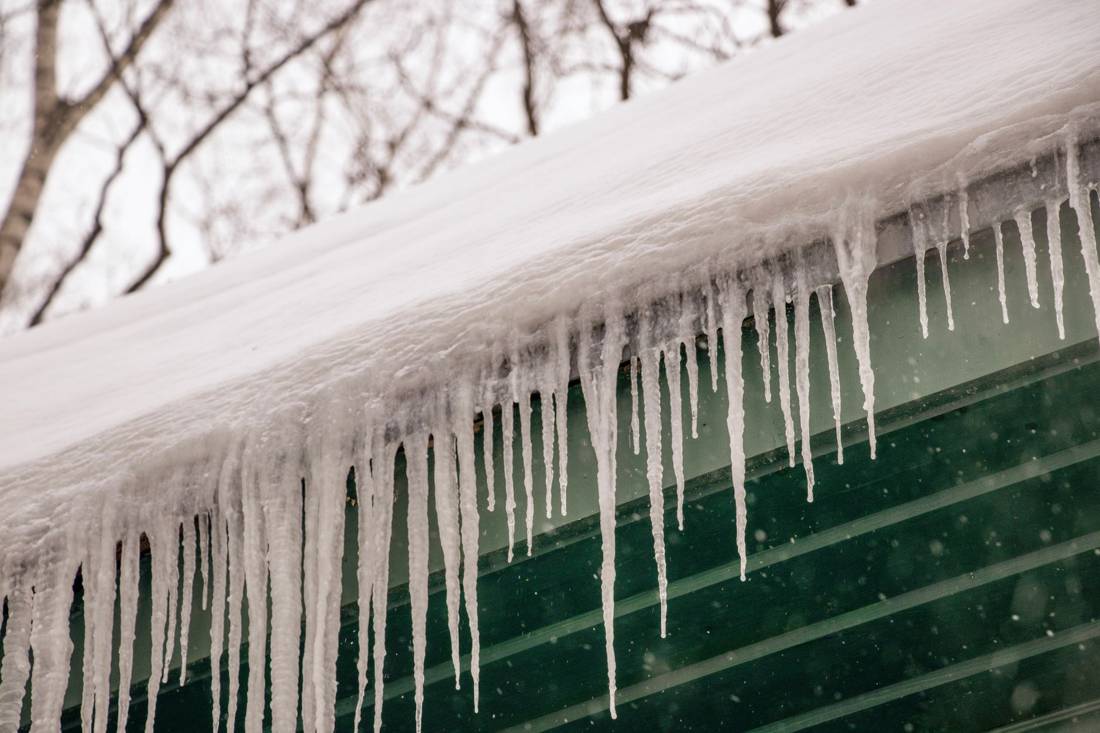
Winter in central Ohio brings freezing temperatures, snow, and ice, creating conditions ripe for ice dam formation. These heavy ridges of ice at your roof's edge can force melted snow under shingles, leading to water damage in your attic, walls, and ceilings. Addressing these issues promptly is crucial to prevent structural compromise and costly interior repairs throughout the colder months.
Our comprehensive winter roofing services focus on mitigating ice dam risks and repairing any damage already sustained. We understand the specific challenges posed by Ohio's freeze-thaw cycles and provide solutions tailored to protect your home. From enhancing attic ventilation to repairing compromised flashing, our work ensures your roof performs optimally against the harsh winter elements.
Ohio weather and your roof
Central Ohio experiences distinct four-season weather, including regular snow, sleet, and freezing rain throughout winter. These conditions, combined with freeze-thaw cycles, make homes and buildings in Columbus and surrounding areas susceptible to ice dam damage. Older homes in neighborhoods like German Village or Clintonville may have inadequate insulation or ventilation for current standards, increasing risk. Even newer subdivisions in Dublin or Westerville can face issues if initial construction did not account for robust ice dam prevention. Protecting your roof is essential to avoid costly water damage to interiors and maintain the integrity of your home against Ohio's challenging winters.
Choices
Materials and approach
Attic Insulation Upgrades
Proper attic insulation is key to preventing heat from escaping into the attic space, which melts snow and contributes to ice dam formation. We can assess and improve your attic's thermal barrier.
Enhanced Ventilation Systems
Balanced attic ventilation helps maintain a consistent roof deck temperature, reducing the likelihood of snowmelt and subsequent ice dam development. We install effective intake and exhaust vents.
Ice Barrier Underlayment
This self-adhering membrane is installed under shingles, particularly at eaves, to provide an extra layer of protection against water penetration from ice dams. It is often required by code in our climate.
Gutter Heating Cables
Low-voltage heating cables can be installed in gutters and downspouts to melt ice and ensure proper water flow, preventing blockages that contribute to ice dam formation and overflow.
Step by step
From start to finish
- 1
Initial Roof Assessment
We conduct a thorough inspection of your roof, attic, and gutters to identify existing ice dam issues, potential vulnerabilities, and areas of heat loss. This helps us understand the root cause.
- 2
Prevention Strategy Development
Based on our assessment, we design a customized plan to prevent future ice dams. This may involve improving insulation, enhancing ventilation, or installing ice barrier membranes.
- 3
Damage Repair & Mitigation
We address any current damage, including repairing or replacing compromised shingles, underlayment, or flashing. We also fix interior water damage to ceilings and walls as needed.
- 4
System Optimization
Our work ensures your roof system can effectively shed snow and ice, preventing water from penetrating. We focus on long-term solutions to protect your home against future winter weather.
Questions
More about ice dam prevention & winter repairs
What causes ice dams to form on a roof?
Ice dams form when heat from your home's interior escapes into the attic, warming the roof deck and melting snow. This melted snow then refreezes as it reaches the colder eaves, creating a barrier. Poor insulation and inadequate attic ventilation are common contributing factors in homes around Columbus.
How can I tell if I have an ice dam problem?
Common signs include visible ice buildup along the edges of your roof, icicles forming behind gutters, or water leaking into your home, often appearing as stains on ceilings or walls. You might also notice gutters pulling away from the fascia due to the weight of ice.
Can ice dams damage my roof or home?
Yes, ice dams can cause significant damage. The trapped water can back up under shingles, rotting roof decking, fascia, and soffits. It can also seep into walls, ceilings, and insulation, leading to mold growth, paint damage, and structural issues inside your home.
Are ice dams preventable, or are they inevitable in Ohio winters?
Ice dams are largely preventable with proper measures. Improving attic insulation to prevent heat loss, ensuring adequate attic ventilation to keep the roof deck cold, and installing ice barrier underlayment can significantly reduce their occurrence, even during severe central Ohio winters.
Other roofing work
Want your roof looked at?
Tell us where the house is and what looks wrong. We will inspect the roof and attic and send you photos.