Roof Replacement
Tear-off and new roofs for central Ohio homes, with ice and water shield and ventilation done right.
Shingle · Metal · Flat
Roof replacement, emergency repair, storm damage, metal and flat roofs, and ice dam prevention for homes and businesses from Reynoldsburg and Westerville to Hilliard and Lancaster.
Leak or storm damage? We cover it first and repair it when the weather allows.
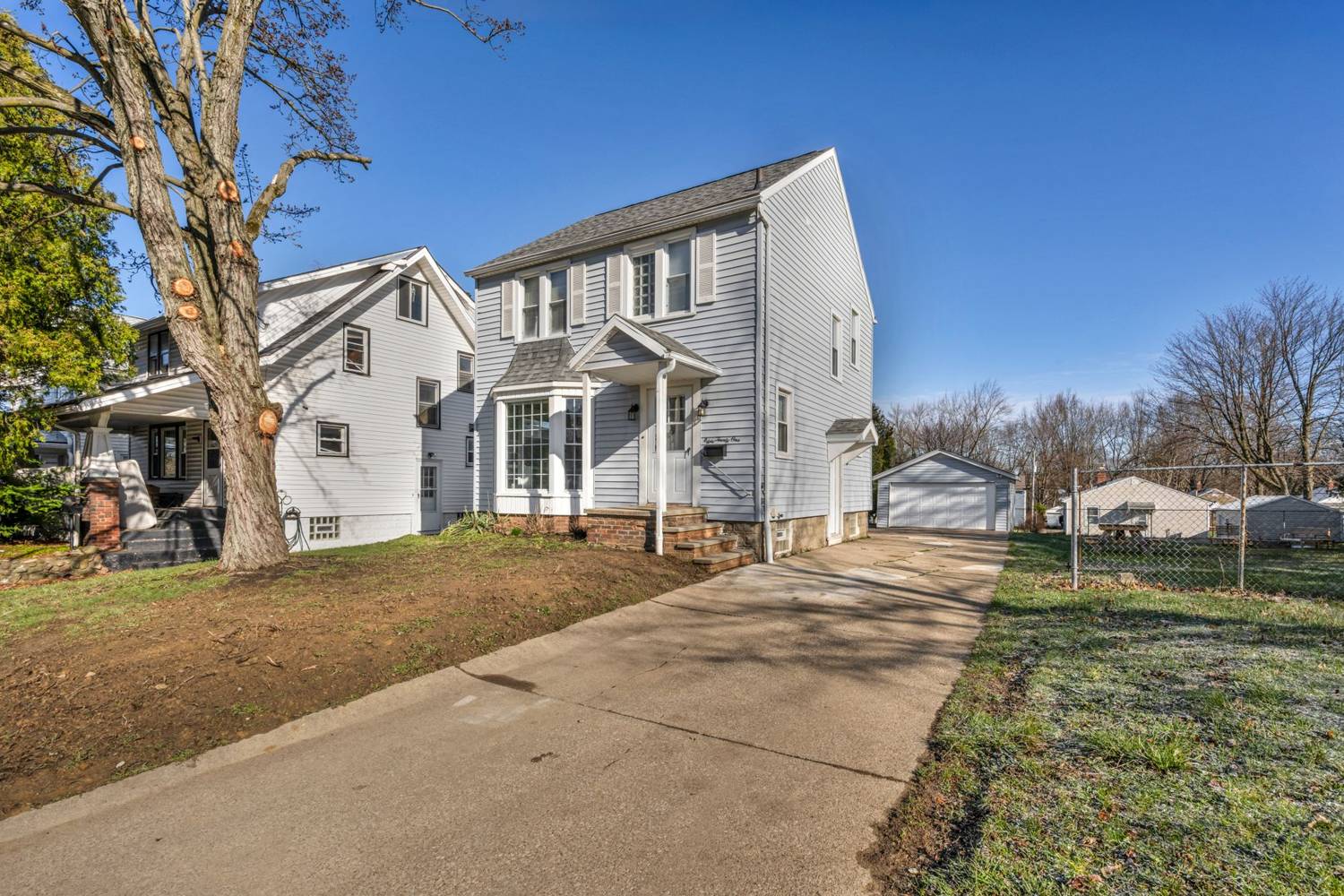
A central Ohio roof never gets a season off. Winter brings snow, sleet and dozens of freeze-thaw cycles that work water into every gap. Spring and summer bring thunderstorms, hail and straight-line winds. July heat bakes the shingles from above while a hot attic cooks them from below. By the time fall leaves fill the gutters, the roof has been through a lot.
Ice dams are the local speciality. Warm air leaking into the attic melts snow on the upper roof, the water refreezes at the cold eaves, and the ridge it forms pushes water under the shingles and down inside the walls. That is why we go into the attic on every inspection, and why ice and water barrier goes on every roof we replace.
The housing varies too: brick homes and slate in German Village, 1920s to 1950s homes under big trees in Clintonville, Bexley and Upper Arlington, and subdivision roofs of a similar age across Reynoldsburg, Westerville, Hilliard and Pickerington. We look at the house first, then tell you what it needs.
What we do
Shingle, metal and flat roofs, storm and winter repairs, and the attics and gutters that keep them working.
Tear-off and new roofs for central Ohio homes, with ice and water shield and ventilation done right.
Active leaks and storm openings covered fast, then repaired properly once the weather allows.
Wind-lifted shingles, hail bruising and fallen-limb damage found, documented and repaired.
A photo-documented inspection and support through the adjuster visit for storm claims.
Standing-seam and metal panel roofs that shed snow and last for decades.
EPDM, TPO and modified bitumen for flat porches, additions and low-slope sections.
Roofs for apartments, condos, offices and retail buildings, repaired or replaced on a schedule.
Insulation, ventilation and ice and water shield that stop ice dams, plus repair of winter leaks.
Step, counter and chimney flashing rebuilt so water stops running down the inside walls.
Seasonal inspections and tune-ups that catch small problems before winter.
Seamless gutters, larger downspouts and heat cable where ice builds up.
Balanced ventilation and added insulation that keep attics cold in winter and cooler in summer.
Why Alside Roofing
Ice and water barrier at the eaves and valleys, because Ohio winters find every weak spot.
Ice dams and early rot start with heat and moisture up there, so the attic is part of every inspection.
You see what we saw, whether you are deciding on a repair or sending it to your insurer.
Standing seam, EPDM and TPO are regular work for us, not something we hand off.
Slate, steep pitches and layered roofs in older Columbus neighbourhoods get the care they need.
Open roofs and active leaks get covered first, with permanent repairs scheduled once it is safe.
Questions
Heat escaping into the attic melts snow on the upper roof. The water runs down and refreezes at the cold eaves, forming a ridge that backs water up under the shingles. Better insulation and ventilation address the cause; ice barrier protects the edge.
Emergency repairs, yes. Shingles seal poorly in deep cold, so full replacements are best on milder days, but we can cover and patch leaks all winter and finish the permanent work when temperatures allow.
Look for missing shingles, pieces in the yard, dented vents and gutters, and granules at the downspouts. Bruises on shingles are hard to see from the ground, so a close inspection with photos is the reliable way to know.
Yes. Standing seam sheds snow, resists wind and lasts for decades. It needs proper snow guards above entries and walkways, and good underlayment and ventilation like any other roof.
EPDM rubber and TPO are the common choices for low slopes, and modified bitumen also works well. Shingles should not go on very low slopes because water does not run off quickly enough.
Tell us where the house is and what looks wrong. We will inspect the roof and attic and send you photos.